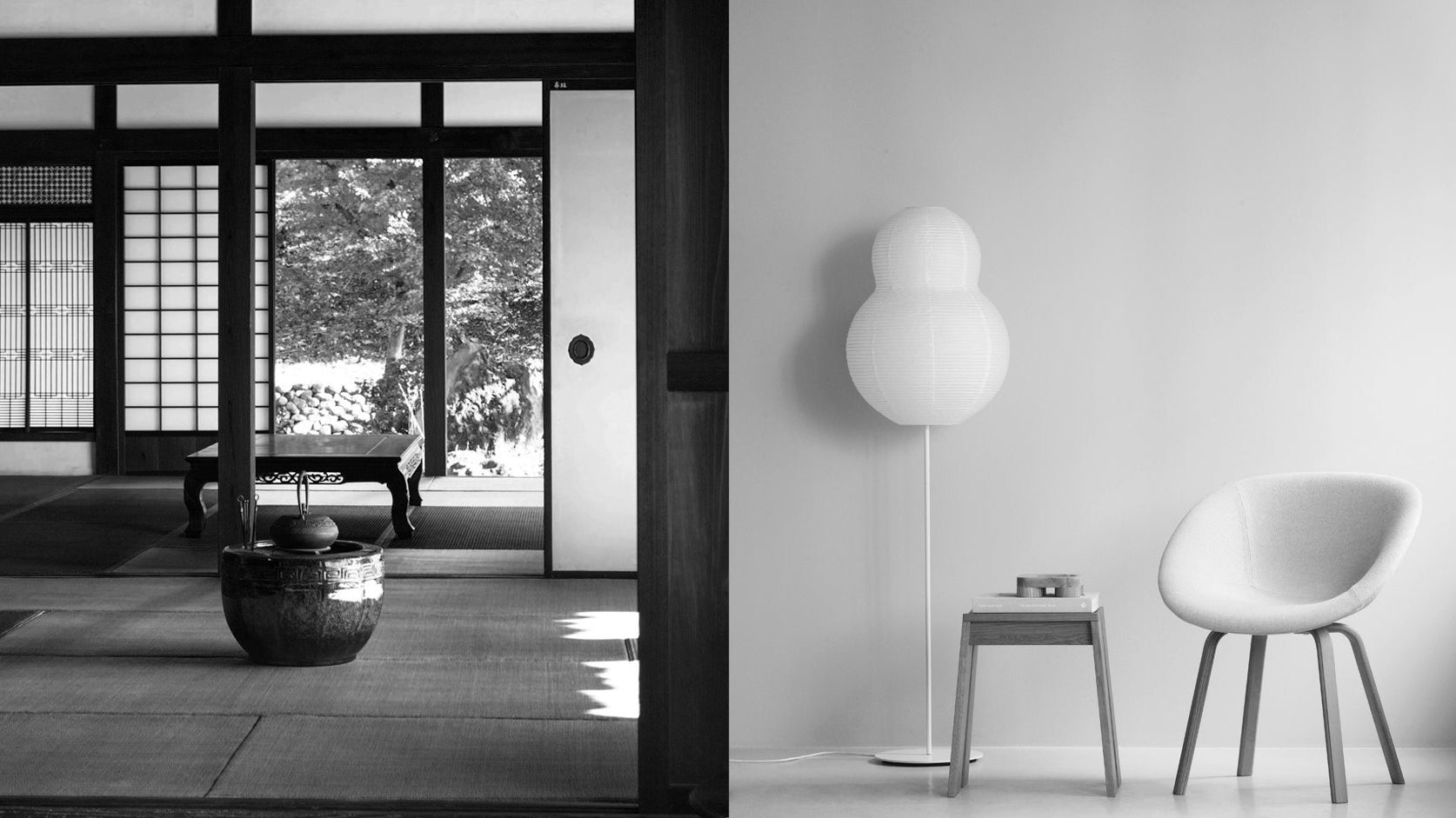
Wabi Sabi is often described as the beauty of imperfection, but that description leaves something out.
Wabi and sabi are not the same. Originally, they were separate ideas, each with its own meaning.
They point to two different ways of experiencing beauty, and understanding that difference changes what we begin to notice.
Wabi: When Less Became Enough
The word wabi originally carried a very different feeling. It was associated with a sense of lack—of loneliness, of having little.
But over time, this meaning began to shift. What was once seen as having less began to feel like enough.
Like solitude, it was not always understood as something positive. But gradually, it came to offer something more: space for reflection, a sense of calm, and a quiet richness.
This richness is not found in what is added, but in what is left alone. A room with little in it. Something left on the table. A trace of use, barely noticed.
Wabi is the choice to embrace simplicity—not as a limitation, but as a kind of freedom. It does not rely on wealth, status, or display, but finds value in what is already here.
Wabi is not about brilliance or opulence. It is a quiet realization: what is here is already enough.
Sabi: A Quiet Trace of Time
But sabi is different.
It is not something we choose—it appears with time.
The word originally carried a sense of desolation: a place quiet, untouched, and grown still over time.
But gradually, this feeling began to soften. What was once seen as emptiness became something more gentle—a kind of beauty that only time can create.
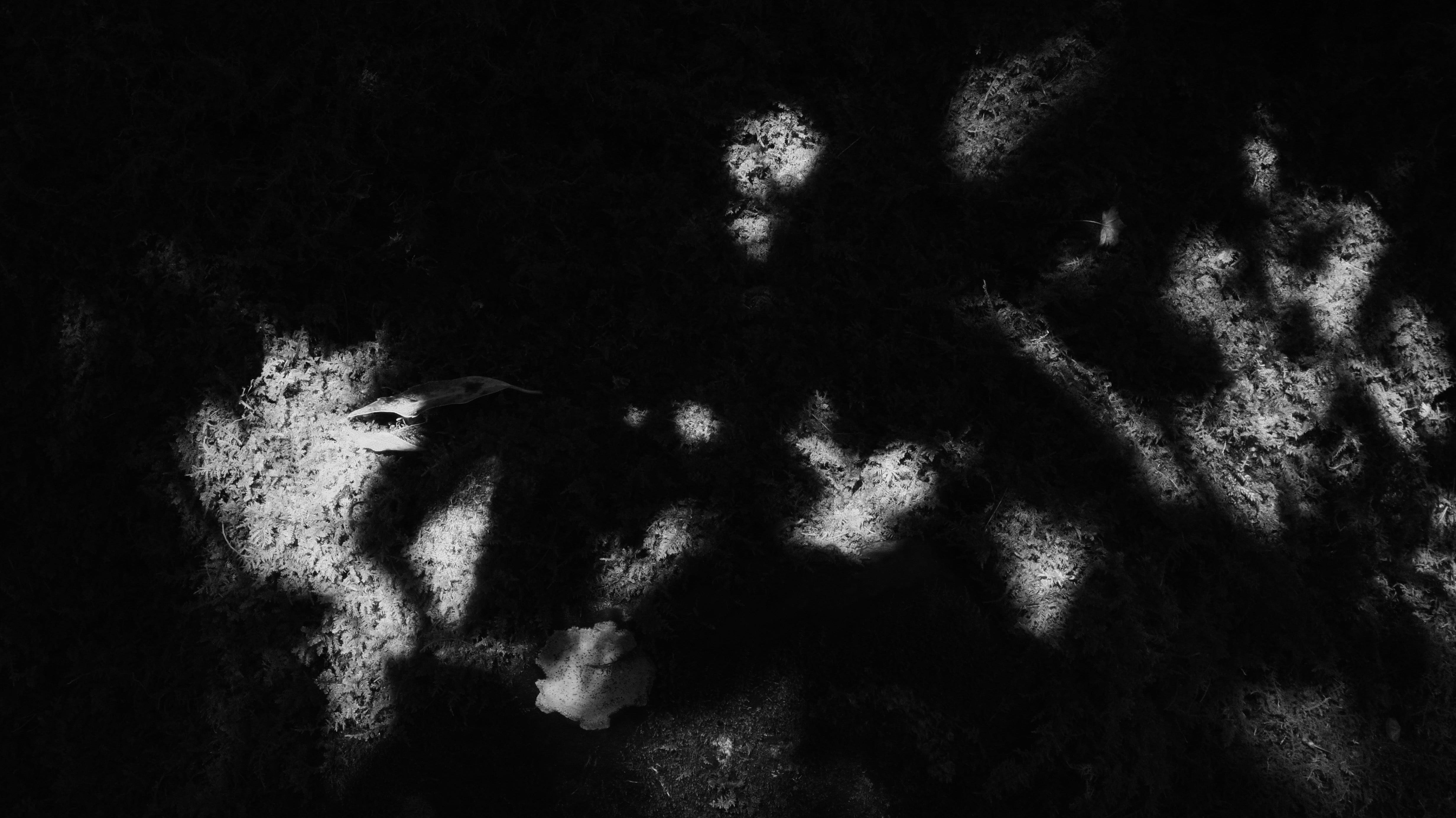
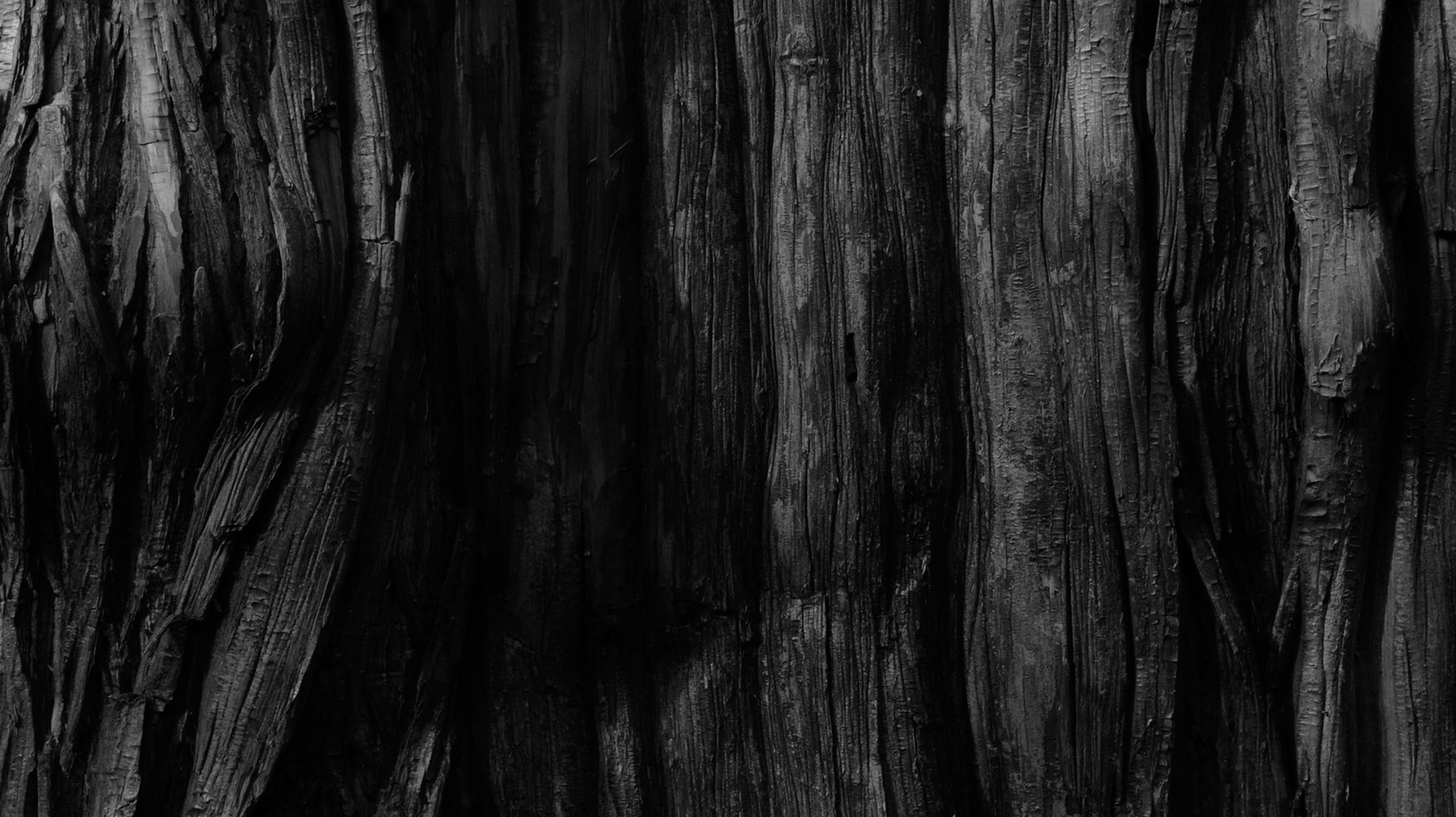
A surface, slowly fading. Wood worn smooth by years of touch. Light that falls more softly on aged surfaces. A stone left undisturbed, now covered in moss.
Sabi is something we begin to notice over time—finding beauty in what has aged and quietly changed. There is no intention behind it. It simply became this way.
Only a quiet trace of time passing.
Sabi is not about simplicity. It is about change—and a quiet awareness that nothing ever stays the same.
Where Wabi and Sabi Meet
Wabi and sabi are often spoken of together, but they express different ideas.
Wabi is the choice to live with less. Sabi is what time quietly does to what remains.
A room left almost empty can feel like wabi. But as light shifts, as surfaces soften, and as traces begin to appear, this is where sabi begins.
They often exist in the same place—something simple, quietly shaped by time. And somewhere in that, without intention, something begins to deepen.
Slowly, it changes what we notice.
And perhaps it is not really about what we see, but how we relate to what does not stay. In that, there is a quiet understanding: things do not need to remain unchanged to be complete.
A leaf just before it falls. A surface worn by time. A moment already passing. None of it is held onto.
And somehow, it is enough.
Read More Design Articles:
• Komorebi Meaning: The Beauty of Sunlight Through Trees in Japanese Aesthetics
• What Is Tezawari? Why Texture Is the Soul of Japanese Aesthetics
• Japanese Aesthetics of Space: Ma, Yohaku no Bi, and the Art of Subtraction
• Japanese Design and the Beauty of Shadow