Japanese aesthetics teach us that beauty is not only something we see. It is something we feel.
Over centuries, a different sensitivity has developed in Japan. It values imperfection and the quiet passage of time, finding beauty in raw materials and in the depth that slowly emerges through use and wear.
This sensitivity is closely tied to the idea of tezawari, a Japanese concept that refers to the tactile feeling of a surface. More than texture alone, it reflects how something is experienced through touch.
In this way, texture carries emotion and becomes a kind of language. It appears in traditional architecture, in crafts, and in contemporary design.
Today, we explore how Japanese aesthetics are expressed through texture, and how beauty can exist in the things we touch every day.
More than Surface: The Meaning of Texture in Japanese Aesthetics
When we hear the word texture, we often think of how something feels to the touch. Rough stone, smooth wood, soft fabric. But in Japanese aesthetics, texture carries a deeper meaning.
In many contexts, raw materials are treated as surfaces to be shaped, polished, and perfected. In Japan, however, a material’s original texture is often seen as part of its identity.
Texture is not only about the surface of an object. It is also about time, material, and atmosphere. The subtle qualities of a surface can reveal how something was made, how it has aged, and how it exists within its environment.
This respect for material can be seen in traditional Japanese crafts and spaces. Surfaces are rarely polished to complete perfection. Instead, their natural character is allowed to remain.
When you run your hand across the uneven grain of a hand planed wooden board, you are touching the memory of the tree. To smooth it away entirely would remove the character that makes the material unique.
Take handmade washi paper as an example. If you look closely, you can see tiny plant fibers scattered across its surface. These irregularities are not flaws. They are part of the paper’s character, a reminder that it comes from plants, water, and human hands.

In this way, texture becomes more than a physical quality. Surfaces are not meant to be perfectly uniform. Instead, they quietly communicate the life of the material itself.
In Japanese aesthetics, texture becomes a subtle language that reveals craftsmanship, nature, and the passage of time.
The Loss of Texture in Modern Design
However, in many modern environments, this sensitivity to texture has gradually faded.
In much of modern design, beauty is often associated with smoothness and perfect symmetry. Looking around us today, many everyday objects seem to have lost their tactile richness.
The phone we hold for hours each day is little more than a smooth sheet of glass. Plastic furniture, polished metal appliances, and synthetic fabrics often share the same uniform surfaces. These materials appear clean and consistent, but they leave little for the hand to discover.
In Japanese aesthetics, the surface of a material can almost be understood as its skin. It is where the material meets the world.
This sensitivity to surfaces is closely connected to the idea of wabi-sabi, which finds beauty in irregularity, simplicity, and the natural character of materials.
This quiet honesty reflects a deep respect for nature and for the process of making. The art critic Yanagi Sōetsu expressed a similar idea, suggesting that genuine beauty emerges when things are allowed to remain true to their nature.
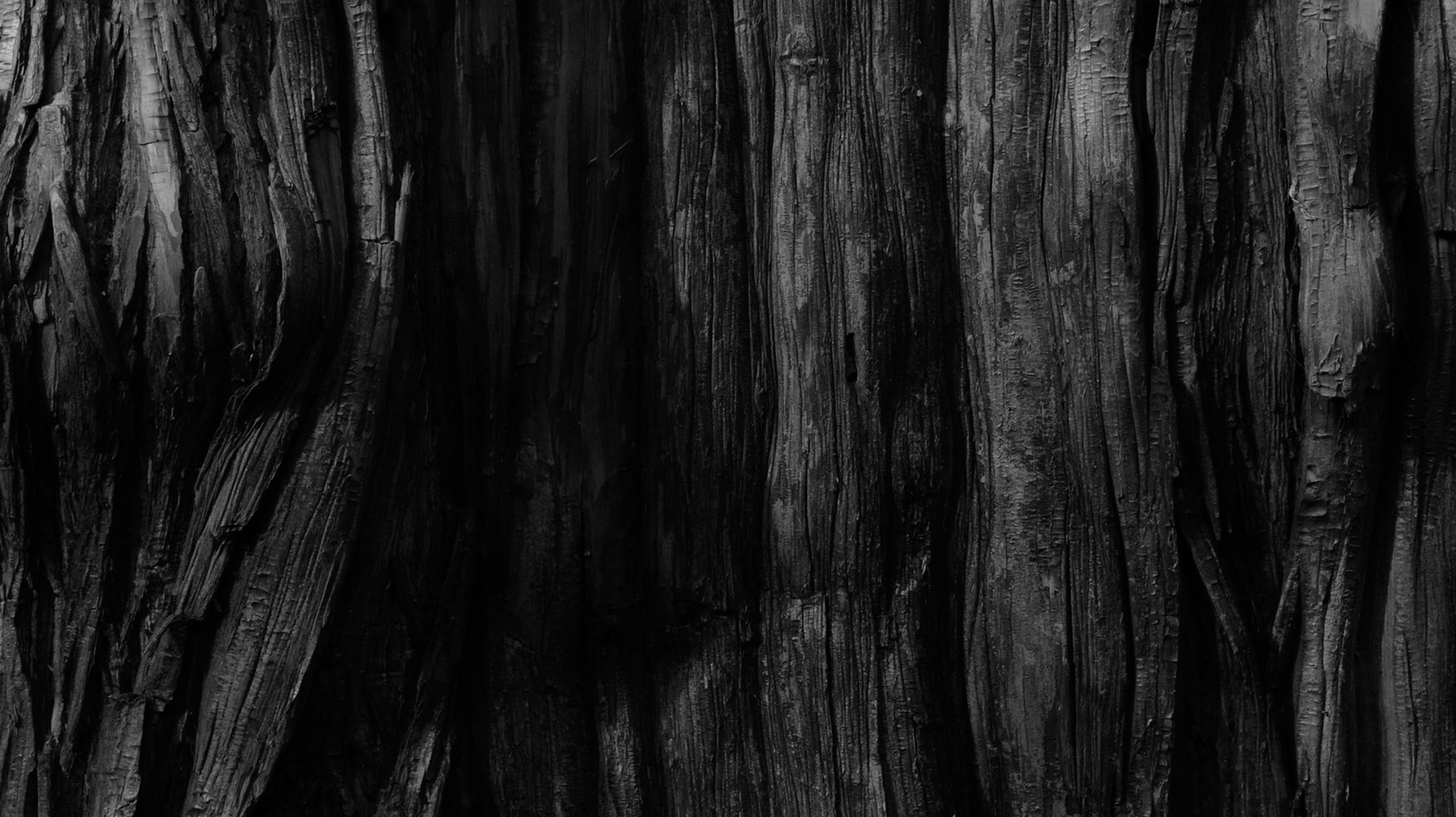
In traditional Japanese woodworking and carpentry, artisans often seek to preserve the natural qualities of wood. Instead of covering it with heavy coatings, the surface is left nearly untouched. Over time, the wood ages slowly, deepening in color while retaining the warmth and subtle scent of the timber.
When we touch raw materials, we encounter not only the material itself, but also the quiet presence of the maker.
Texture, Time, and the Beauty of Change
Over time, texture does not remain the same.
Consider a copper tea canister. When new, its surface is smooth and cool. Over the years, the oils from the user's hands react with the metal, gradually forming a thin layer of oxidation.
The surface becomes warmer, darker, and more textured. It no longer feels like a simple piece of metal. Instead, it begins to feel connected to the person who uses it.
Texture does not emerge only through gradual use. It can also appear through moments of damage and repair.
When an object breaks, it is often either discarded or repaired in a way that hides the damage.
In Japan, however, there is a different approach.
The traditional technique of kintsugi repairs broken ceramics with lacquer mixed with powdered gold.
Rather than disguising the crack, the repair makes it visible. The fracture becomes part of the object's surface, forming new lines that trace the history of the break. These golden seams transform damage into a new form of beauty. What was once a flaw becomes a feature.
Through this process, texture begins to tell a story of resilience, and the surface becomes a record of memory.
In this way, texture reflects an acceptance of change, where time, use, and even breakage become part of an object's life.
Texture and the Experience of the Body
Texture is not only something we see. It is something we experience through the body.
In Japanese aesthetics, surfaces are often designed to be felt as much as they are seen. Materials are chosen not only for their appearance, but also for the way they respond to touch.
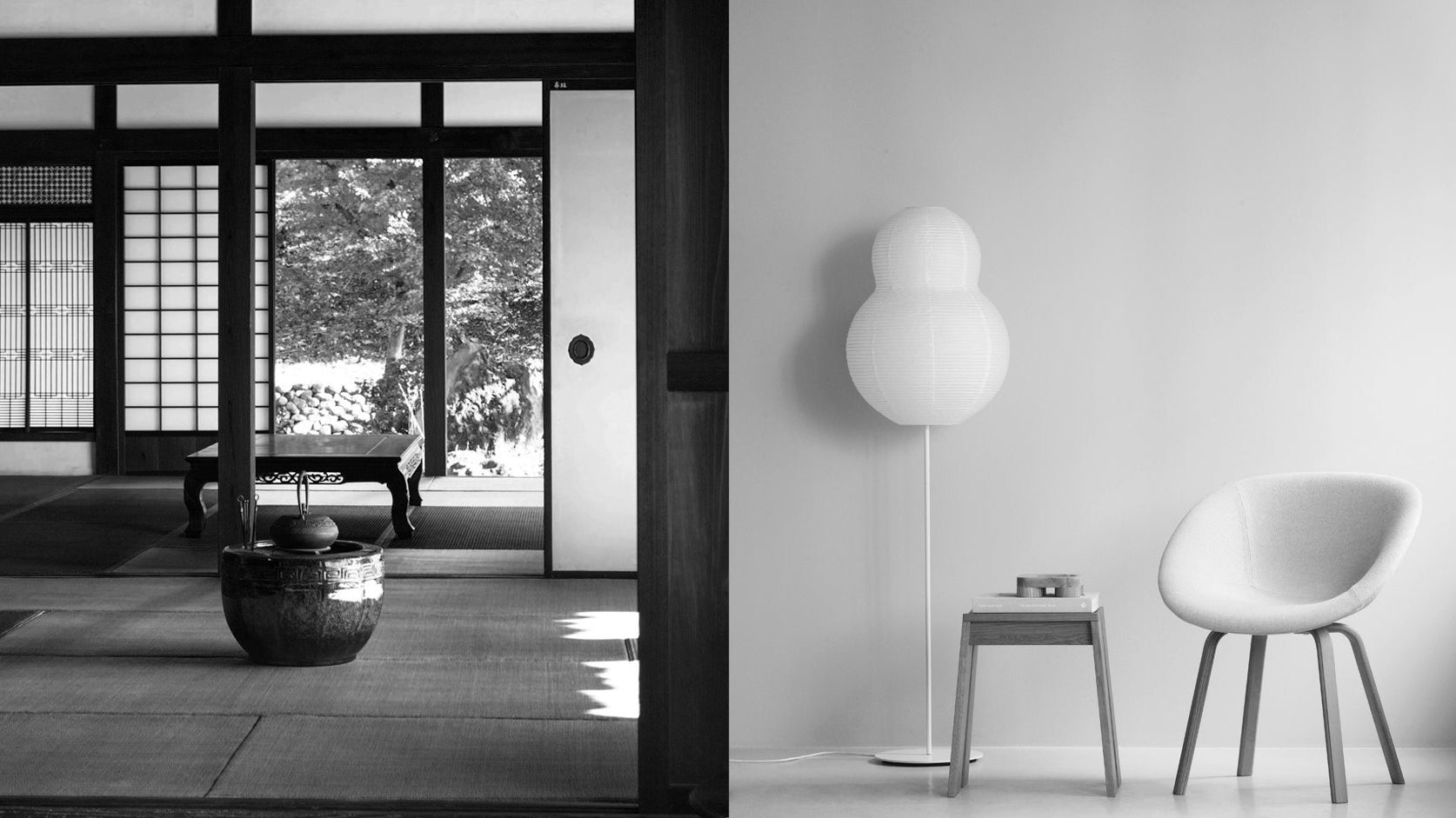
In Japan, the tradition of removing shoes transforms the floor into a kind of tactile landscape. One moves from the cold, rugged stone at the entrance, to the firm, smooth wood of the hallway, and finally to the soft, springy surface of tatami in the living space.
Consider the feeling of walking across a tatami floor. The woven rush grass offers a gentle firmness under bare feet. It is neither completely soft nor completely hard, creating a quiet sense of comfort. At the entrance, the coolness of stone often marks the threshold between the public world outside and the private space within.
A ceramic tea bowl offers a similar experience. When held in the hands, its surface may feel slightly rough or uneven, with subtle variations in color and form. These irregularities reveal the presence of the maker.
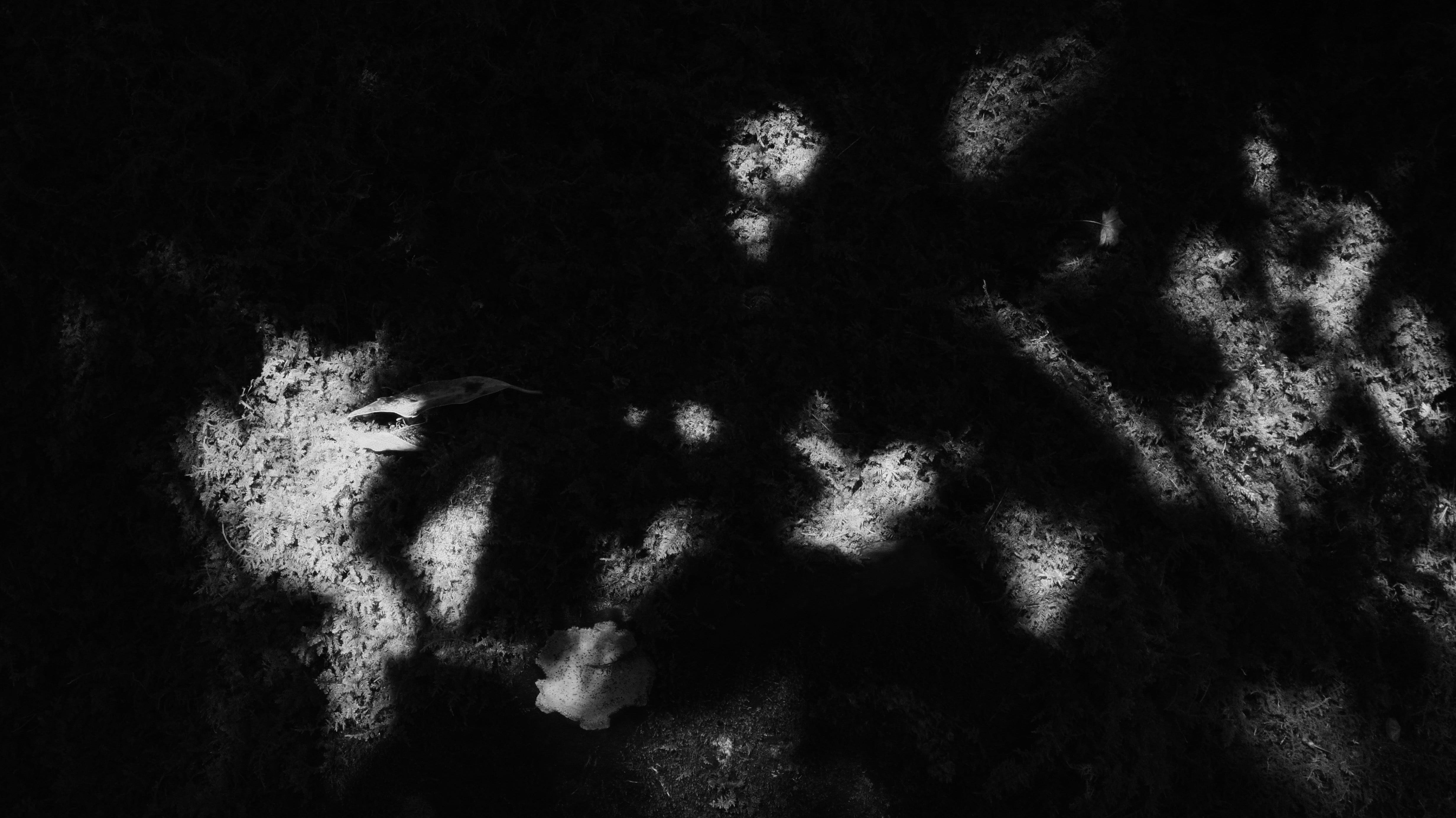
Even in gardens, texture plays an important role in sensory experience. The roughness of stone, the softness of moss, and the fine patterns of gravel create a landscape that is not only visual, but also tactile. These differences reflect the diversity of the natural world.
Such materials encourage a slower interaction with the environment. Rather than moving quickly through a space, one becomes more aware of the surfaces around them.
Through touch, texture draws attention to the present moment. It reminds us that the physical world is rich with subtle sensations.
In the end, texture deepens our relationship with everyday objects and spaces, allowing materials to be experienced not only with the eyes, but through the body.

This way of experiencing texture does not end here.
I have gathered these ideas into a visual essay, where texture, material, and atmosphere are explored more slowly through images and reflections.
Explore the visual essay here.