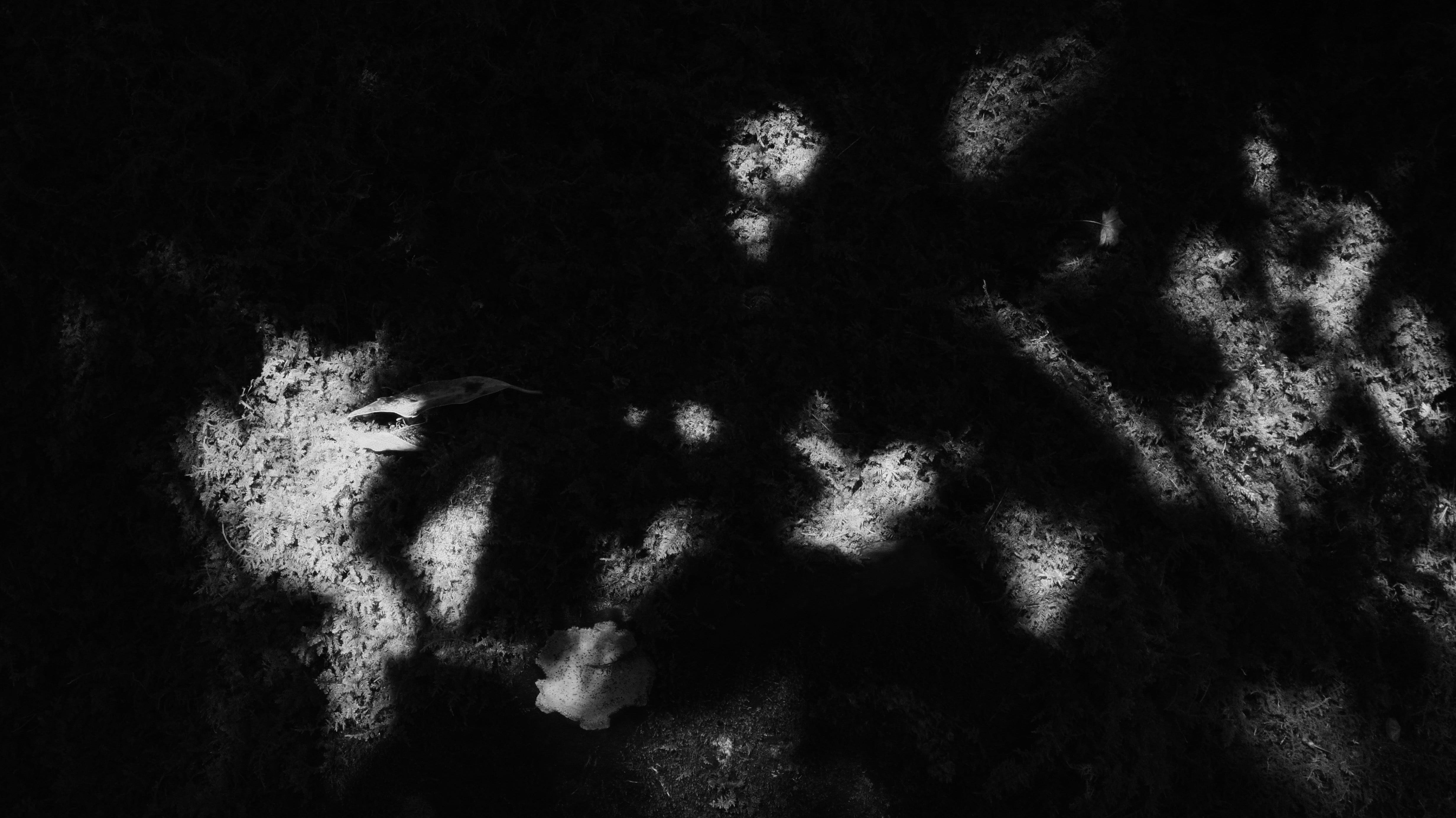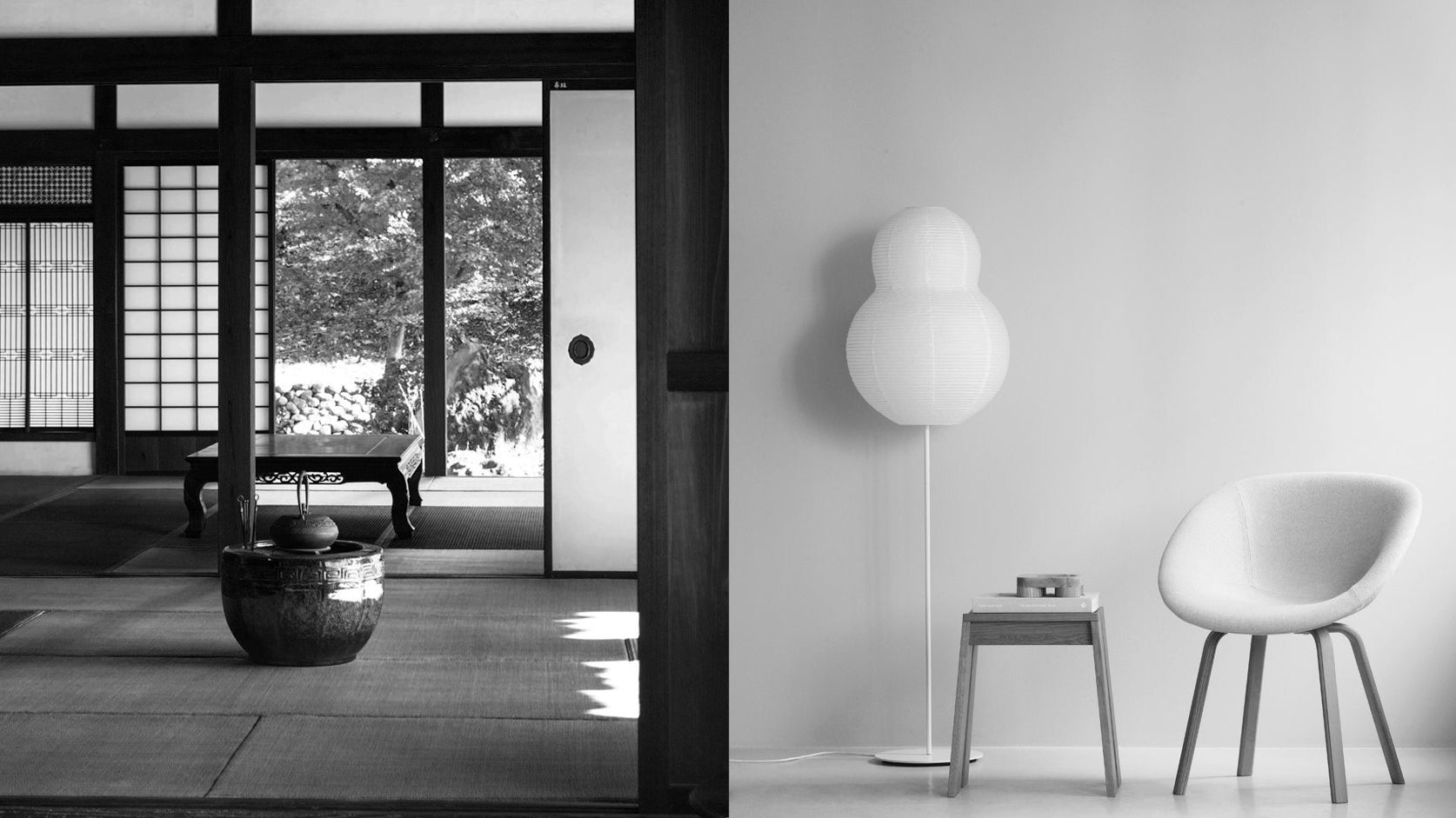
Did you know that in Japanese, this fleeting light has a name?
Komorebi (木漏れ日).
It describes the sunlight that filters softly through the leaves—
a quiet, passing beauty that often goes unnoticed.
In Japanese aesthetics, komorebi is not just a visual moment,
but an experience of time, nature, and presence.
In this article, we explore the beauty of komorebi,
and how this gentle play of light reflects a deeper way of seeing the world.
What Is Komorebi? The Meaning Behind the Word
Komorebi is a Japanese word that describes sunlight filtering through the leaves of trees.
The word itself is formed from three parts:
ko (木) meaning tree,
more (漏れ) meaning to leak or pass through,
and bi (日) meaning light.
Together, they describe a very specific moment.
Not direct sunlight. Not shadow.
But something that exists in between.
What makes komorebi special is not only the physical phenomenon,
but the feeling it carries.
A gentle, fleeting shimmer of light,
formed as sunlight moves through layers of leaves and branches.
It is never the same twice.
The sun shifts.
The wind changes.
The leaves respond.
And in that quiet transformation,
time becomes something we can see.
Why Komorebi Matters in Japanese Aesthetics
There is no single word in English for this kind of light.
We can describe it.
We can photograph it.
But we cannot translate it exactly.
Komorebi is a word shaped by a long tradition of living closely with nature,
learning from it, observing it, and caring for its smallest changes.
In Japanese aesthetics, language often gives form to what is fleeting,
quiet, and easily overlooked.
Falling cherry blossoms.
The sound of wind moving through bamboo.
The soft light just before dusk.
These are not grand events.
They are small moments.
Yet they are noticed, and held with care.

Komorebi belongs to this way of seeing.
It reflects a sensitivity to impermanence,
and a deep awareness of time passing.
This sensitivity is often described as mono no aware—
a quiet recognition of the beauty and sadness of things that do not last.
Perhaps this is why moments like komorebi feel so meaningful.
In noticing them,
we are not only observing light.
We are learning how to live with what cannot remain.
As Jun’ichirō Tanizaki writes in In Praise of Shadows,
beauty loses its depth when it is fully revealed.
The beauty of komorebi exists in between—
between the brightness of the sun
and the shadow of leaves.
It is not only light between branches,
but a small piece of language shaped by attention,
offering a sense of calm,
and a quiet emotional resonance.
The Science Behind Komorebi: Why Light Forms Circles
There is something else about komorebi that makes it even more fascinating.
Many people notice that the spots of light on the forest floor often appear as soft, gentle circles,
even though the leaves above are jagged and irregular.
These are not random patches of light.
Each one is a small image of the sun.
As sunlight passes through the tiny gaps between leaves,
each opening acts like a pinhole camera,
projecting the shape of the sun onto the ground.
This is why, during a solar eclipse,
these circles slowly transform into crescent shapes.
The leaves quietly reveal an event unfolding millions of miles away.
When the leaves move,
these images shift, overlap, and blur.
This is what gives komorebi its sense of movement,
its soft, living rhythm.
What appears on the forest floor is more than scattered light.
It is a field of countless, delicate images of the sun,
forming a landscape that is always changing, yet always quiet.
Komorebi in Everyday Life: A Quiet Practice of Noticing
Komorebi is not only something found in Japan.
It is a way of noticing.
It can appear on the side of a vending machine,
on the floor of a subway station,
or in a quiet corner of a city street.
It becomes a small, gentle rhythm within the day.
In Japan, this awareness is closely connected to shinrin-yoku,
often translated as forest bathing.
This is not a hike or a form of exercise.
It is a practice of slowing down,
and allowing the senses to settle into the presence of nature.
Even pausing beside a tree in a neighborhood park,
and noticing the movement of light through its leaves,
can become a quiet moment of forest bathing.
People are encouraged to rest their gaze
on the shifting patterns of komorebi,
allowing the body and mind to follow its pace.
In this way, komorebi becomes a subtle form of healing.
This sensitivity can also be seen in the Japanese tea ceremony.
Along the garden path leading to the tea house,
trees are carefully placed to create layers of light and shadow.
As one walks through these shifting patterns,
the mind begins to let go of the outside world.
By the time the tea is served,
attention has already been gently restored.
In a fast-paced world,
komorebi remains a quiet source of comfort.
A reminder that beauty does not disappear in the noise of daily life.
It simply waits to be noticed.
If you would like to return to this feeling at your own pace,
these reflections are gathered below as a quiet visual essay.