Have you ever felt a quiet kind of sadness in the most beautiful moments?
When cherry blossoms fall. When a season gently comes to an end. When something wonderful is almost over and you can already feel it leaving.
It's a feeling we rarely name—but almost everyone has known it.
In Japan, this feeling has a name: mono no aware (物の哀れ). For centuries, it has shaped how Japanese culture sees beauty, art, and the passage of time. It is not quite sadness, not quite nostalgia, but something softer and harder to hold. A quiet awareness that everything is already passing.
This is what mono no aware means, why it matters, and how this ancient Japanese concept might change the way you see the world.
More Than Sadness, More Than Loss
Mono no aware is often translated as "the pathos of things" but that translation only tells part of the story.
We tend to divide our emotions into simple categories: happy or sad, gain or loss. Mono no aware doesn't fit neatly into either. It is not simply sadness, and it is not only about things ending.
It is what you feel in the moment you notice something changing.
Watch cherry blossoms in full bloom, knowing they won't last. You don't just see their beauty. You feel something shift. There is a quiet tension in that moment: beauty that exists even as it disappears. You are not trying to hold on. You are not turning away. You are simply present.
And in that presence, something surprising happens. Loss and appreciation don't compete with each other. They arrive together, held in the same moment.
This is what makes mono no aware so difficult to translate and so easy to recognize. It doesn't announce itself. Nothing is said directly, and yet something is understood. It lives in the subtle, quiet spaces, in what lies just beneath what we see.
The Seasons and the Self
You might have noticed how closely people in Japan attend to the changing seasons. This awareness has a name: kisetsukan—a sensitivity to the season you are in, felt through small, everyday details. The warmth of spring air. The first cool breeze of autumn. The stillness of winter.
Each season is not just experienced but carefully observed. And perhaps it matters so much precisely because it never stays for long.
Spring feels precious as it slowly gives way to summer. The first autumn breeze carries something deeper, marking the beginning of an ending. Kisetsukan sharpens your attention to the moment you are in. And mono no aware is what you feel when you realize it is already beginning to pass.
Together, they shape how we experience time. Not as something to manage or move through quickly, but as something to stay close to, even as it changes.
This is also why mono no aware is so deeply connected to nature. In Japan, nature is not separate from human life. It moves alongside it. The changing seasons, the blooming and falling of flowers, the shifting of light and shadow. Nature does not follow our desires. We move with it.
And in that movement, mono no aware begins to appear. A beauty that arrives, lingers quietly, and then slips away. Again and again.
Present in the Quiet Details
Once you begin to feel mono no aware, you start to recognize it everywhere in Japanese culture.
It is in haiku, those brief and precise poems that capture a single passing moment rather than trying to explain it. Matsuo Bashō's most famous works don't describe emotions directly. They simply place you inside a moment and let you feel what is already there.
It is in hanami, the tradition of gathering beneath cherry blossom trees each spring. The Japanese have observed this for over a thousand years, not just to enjoy the flowers, but to sit with the awareness that they will fall within days. The beauty and the brevity are inseparable.
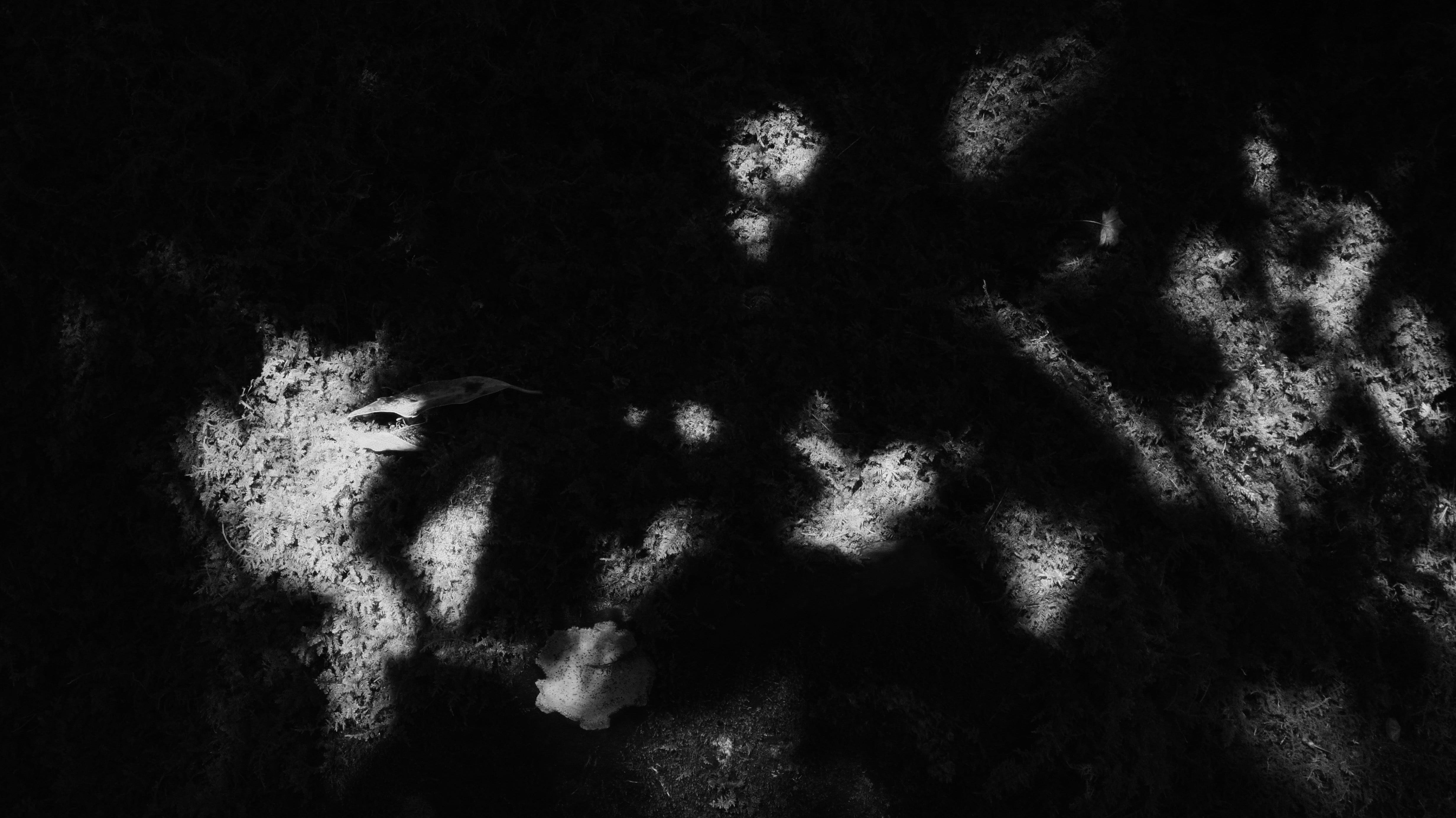
It is present in wabi-sabi, the aesthetic that finds quiet beauty in things that are worn, weathered, and imperfect. A cracked tea bowl. A mossy stone. Things that carry time visibly on their surface.
And it appears in more contemporary forms too. The films of Studio Ghibli are quietly full of it, moments where characters pause, where the world slows down, where something is felt but not spoken. Each one carries that particular quality of beauty touched by the awareness of passing.
Mono no aware does not need to be announced. It is simply present, in the details, for those who are paying attention.
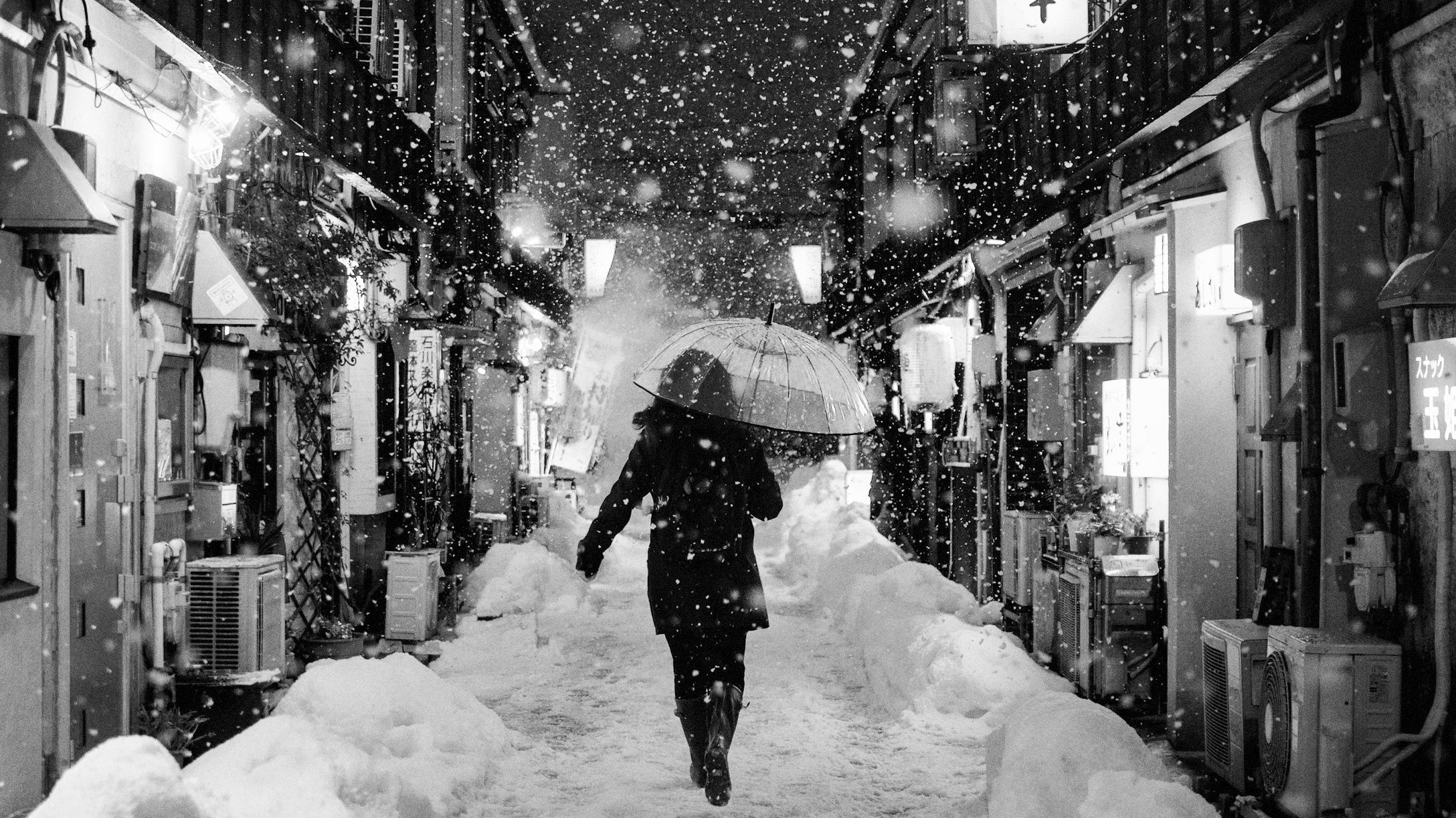
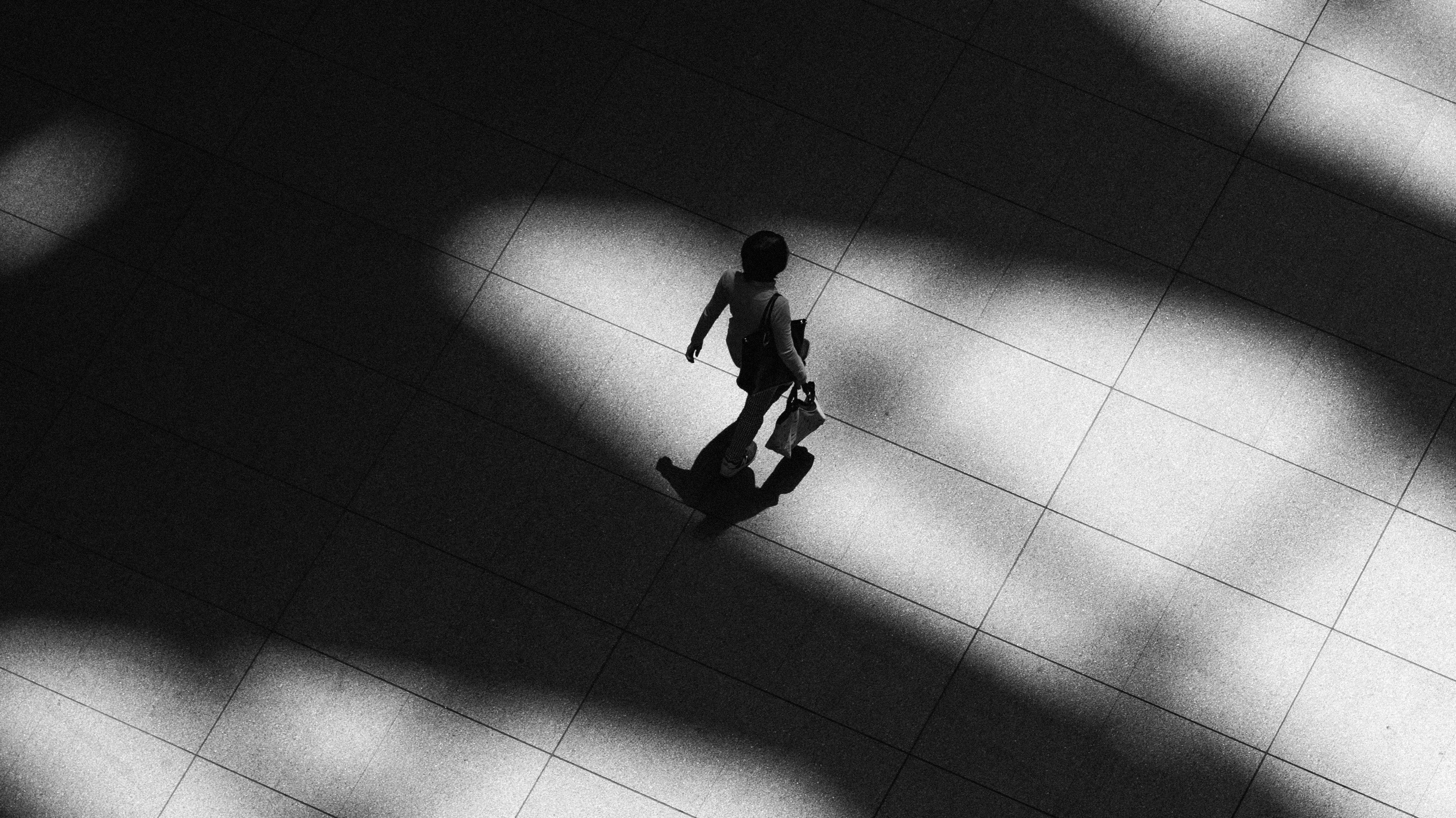
If you would like to return to this feeling at your own pace, these reflections are gathered below as a quiet visual essay.

Take your time with it.